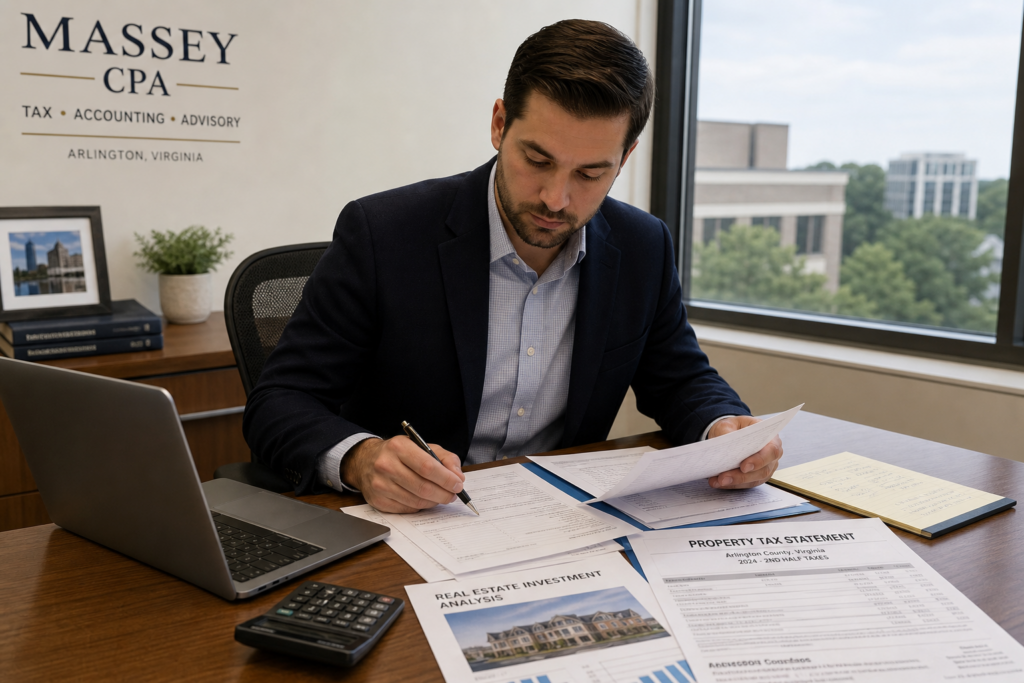
Arlington Real Estate CPA Cost 2026: What Investors Really Pay
Understanding the Arlington real estate CPA cost helps investors budget wisely and protect profits. In 2026, most Arlington real estate CPA fees range from $1,500 to $5,000 or more each year. Your final price depends on portfolio size, entity structure, and complexity. This guide breaks down real numbers, pricing models, and ROI. As a result, you can decide confidently whether hiring a specialized CPA makes sense for you.
Table of Contents
- Key Takeaways
- What Does a Real Estate CPA in Arlington Do?
- How Much Does a Real Estate CPA Cost in Arlington?
- What Factors Affect Your CPA Cost?
- When Does Hiring a CPA Save You Money?
- How Do You Choose the Right Arlington CPA?
- How Do You Prepare to Work With a CPA?
- Uncle Kam in Action
- Next Steps
- Related Resources
- Frequently Asked Questions
Key Takeaways
- Arlington real estate CPA cost in 2026 typically ranges from $1,500 to $5,000+ annually.
- Portfolio size, entity structure, and complexity drive your final fee.
- A specialized CPA often saves investors 3-5x their fee through smart deductions.
- Flat-fee, hourly, and retainer models each fit different investor needs.
- Proactive tax planning beats reactive filing for maximizing 2026 tax benefits.
What Does a Real Estate CPA in Arlington Do?
Quick Answer: A real estate CPA manages rental income, depreciation, entity structure, and 1031 exchanges. They also plan proactively to lower your 2026 tax bill.
A real estate CPA does far more than file returns. Instead, they act as a strategic partner for your portfolio. Furthermore, they understand how federal rules interact with Virginia and Tarrant County property realities. As a result, Arlington investors gain deeper tax savings than a generic preparer delivers. Working with dedicated tax help for real estate investors ensures no deduction slips through the cracks.
Moreover, a specialist knows which strategies apply to your specific property type. For example, a short-term rental owner faces different rules than a long-term landlord. Consequently, tailored guidance matters. You can review official IRS Publication 527 on residential rental property to understand the baseline rules your CPA optimizes.
Core Services a Real Estate CPA Provides
Real estate CPAs deliver several specialized services. In addition, they connect each service to your broader financial goals. Common offerings include:
- Rental income and expense reporting on Schedule E
- Depreciation schedules and cost segregation studies
- 1031 like-kind exchange planning and compliance
- Entity structuring for liability and tax efficiency
- Passive activity loss analysis under IRC §469
Why Specialization Matters in Arlington
Arlington investors face unique local factors. For instance, Arlington County offers a real estate tax relief program for homeowners age 65 and older. Furthermore, Virginia has its own income tax rules that layer on top of federal law. Therefore, a local specialist adds real value. A CPA who understands entity setup can also guide your business structure and entity planning decisions.
Pro Tip: Ask any CPA how many real estate clients they serve. Specialization directly impacts your tax savings.
How Much Does a Real Estate CPA Cost in Arlington?
Quick Answer: In 2026, Arlington real estate CPA cost ranges from $1,500 to $5,000+ per year. Complexity and portfolio size determine your exact fee.
The Arlington real estate CPA cost depends heavily on your situation. A single rental property costs far less than a fifteen-unit portfolio. However, these ranges give you a realistic starting point. These figures are estimates, not firm quotes. Investors exploring nearby options can also compare Tax Preparation Near Me in Virginia to gauge local market rates.
Typical Fee Ranges by Scenario
The table below shows estimated 2026 fee ranges. Your actual cost may vary based on records quality and services needed.
| Investor Scenario | Estimated 2026 Annual Cost | Typical Services |
|---|---|---|
| 1 rental property | $1,500 – $2,500 | Return prep, Schedule E, basic planning |
| 3-5 properties | $2,500 – $4,000 | Depreciation, entity review, quarterly planning |
| Active flipper | $3,000 – $5,000 | Inventory accounting, SE tax planning |
| 10+ property portfolio | $5,000+ | Cost segregation, multi-entity, full advisory |
Hourly vs Flat-Fee vs Retainer Pricing
CPAs use different billing models. Consequently, understanding each helps you compare quotes fairly. Hourly rates typically run $200 to $400 for experienced Arlington specialists. Flat fees give you cost certainty per return. Meanwhile, retainers cover ongoing advisory throughout the year. Many investors prefer a retainer for proactive real estate tax strategy and planning.
To estimate your own numbers before you call, use our Small Business Tax Calculator to model 2026 liability.
Did You Know? The 2026 Section 179 expensing limit reached $2,560,000. Proper structuring maximizes this benefit.
What Factors Affect Your CPA Cost?
Quick Answer: Portfolio size, entity structure, bookkeeping quality, and transaction complexity drive your Arlington real estate CPA cost most.
Several variables push your fee up or down. Therefore, understanding them helps you control costs. Clean records almost always lower your bill. In contrast, messy books force your CPA to spend extra hours reconstructing transactions.
The Biggest Cost Drivers
- Number of properties and entities you own
- Quality and organization of your bookkeeping
- Complex transactions like 1031 exchanges or cost segregation
- Multi-state filing needs beyond Virginia
- Level of ongoing advisory versus one-time filing
How Bookkeeping Quality Impacts Price
Organized bookkeeping can cut your fee significantly. As a result, many investors invest in clean systems first. A CPA offering bookkeeping and financial systems support often bundles this at a discount. Furthermore, accurate books make audits far less stressful. You can review the IRS recordkeeping guidance to understand what documentation you must retain.
Pro Tip: Deliver a clean year-end summary of income and expenses. This simple step can reduce your fee.
When Does Hiring a CPA Save You Money?
Quick Answer: A specialized CPA often saves 3-5x their fee. Depreciation, entity planning, and 1031 exchanges drive most savings.
The real question is not cost. Instead, it is return on investment. A generic preparer may miss six-figure deductions. Meanwhile, a real estate specialist finds them. Consequently, the fee pays for itself many times over.
A Simple ROI Example
Consider an Arlington investor with five rental properties. A cost segregation study accelerates depreciation dramatically. As a result, the investor deducts an extra $60,000 in the first year. At a 24% federal bracket, that saves roughly $14,400. Meanwhile, the CPA fee was $3,500. Therefore, the ROI exceeded 4x in year one.
DIY vs Software vs Specialist CPA
The table below compares your three main options. Notably, each fits a different investor profile.
| Option | Typical Cost | Best For |
|---|---|---|
| DIY (self-prepared) | $0 – $200 | One simple property, low income |
| Tax software | $100 – $300 | Basic returns, comfortable users |
| Specialist real estate CPA | $1,500 – $5,000+ | Growing portfolios, active investors |
High-income investors especially benefit from advanced planning. In fact, the 2026 estate tax exemption reached $15 million under recent legislation. Wealthy landlords should explore advanced strategies for high-net-worth investors. Additionally, review the IRS 2026 inflation adjustments to confirm current figures.
How Do You Choose the Right Arlington CPA?
 Free Tax Write-Off Finder
Quick Answer: Choose a licensed CPA with real estate experience, transparent pricing, and strong communication. Verify credentials and audit support first.
Not every CPA understands real estate deeply. Therefore, vetting matters. Ask targeted questions before signing an engagement letter. Moreover, confirm the CPA holds an active license. You can verify a preparer through the IRS directory of tax return preparers.
Key Questions to Ask
- How many real estate investor clients do you serve?
- Do you offer proactive planning or only filing?
- What is your fee structure and what does it include?
- Do you provide audit representation if needed?
- How do you communicate throughout the year?
Red Flags to Avoid
Watch for warning signs during your search. For example, avoid preparers who guarantee huge refunds. Similarly, be cautious of vague pricing. A trustworthy firm offers clear engagement terms. Many investors value ongoing personalized tax advisory guidance over one-time filing. Furthermore, reading verified real client results and outcomes builds confidence.
Pro Tip: Request a written engagement letter before work begins. It protects both you and your CPA.
How Do You Prepare to Work With a CPA?
Quick Answer: Gather property records, prior returns, and expense summaries. Organized documents lower your fee and speed up filing.
Preparation saves time and money. As a result, your first meeting becomes far more productive. Follow these steps before you meet your Arlington real estate CPA. Business owners should also review tax solutions for business owners to understand available strategies.
Your Pre-Meeting Checklist
- Gather two years of prior tax returns
- Summarize each property’s income and expenses
- Collect closing statements and purchase documents
- List your entities and ownership percentages
- Write down your top tax questions and goals
Getting these items ready helps immensely. Consequently, your CPA can focus on strategy instead of chasing paperwork. If you plan to file returns yourself first, review professional tax prep and filing support to understand deadlines. Investors comparing local providers can also explore Arlington tax preparation services for a full-service option.

Uncle Kam in Action: How an Arlington Landlord Saved $18,000
Client Snapshot: Meet Marcus, an Arlington real estate investor. He owned six rental properties across Virginia. However, he relied on a generic preparer for years.
Financial Profile: Marcus generated $220,000 in annual rental income. Additionally, he earned $95,000 from his W-2 job. His portfolio value exceeded $2.1 million.
The Challenge: Marcus paid high taxes every year. Furthermore, his old preparer never suggested cost segregation. He also missed key depreciation opportunities. As a result, he overpaid the IRS repeatedly. Marcus felt frustrated and unsure where the money went.
The Uncle Kam Solution: Our team performed a full portfolio review. First, we ordered cost segregation studies on three properties. Next, we restructured two properties into an LLC for liability and tax efficiency. Moreover, we analyzed his eligibility for real estate professional status under IRC §469(c)(7). Consequently, Marcus unlocked passive losses he could finally use against income.
The Results: The strategy delivered impressive numbers for the 2026 tax year.
- Tax Savings: $18,000 in the first year
- Investment: $4,200 in CPA fees
- Return on Investment: Roughly 4.3x in year one
Marcus now files confidently with proactive planning. Therefore, his after-tax cash flow improved dramatically. His story reflects why the Arlington real estate CPA cost pays for itself. See more verified outcomes from the MERNA method and how strategy drives results.
Next Steps
Ready to lower your real estate tax bill in 2026? Take these actions now to get started.
- Gather your property records and prior tax returns today.
- Schedule a consultation with a specialized tax expert for self-employed investors.
- Ask about cost segregation and entity restructuring opportunities.
- Compare flat-fee and retainer pricing before committing.
This information is current as of 8/3/2026. Tax laws change frequently. Verify updates with the IRS if reading this later. This article is educational and not individual tax advice.
Related Resources
- Tax Strategies for Real Estate Investors
- Proactive Tax Strategy Services
- Free Tax Calculators
- Uncle Kam Tax Strategy Blog
Frequently Asked Questions
How much does a real estate CPA cost in Arlington, TX?
In 2026, most Arlington real estate CPA cost ranges from $1,500 to $5,000+ annually. Your final fee depends on portfolio size and complexity. Single-property owners pay less. Larger portfolios pay more.
Do I need a CPA if I own only one rental property?
Not always. However, a CPA still adds value. Even one property involves depreciation and expense tracking. Furthermore, a specialist may find deductions you missed. For simple situations, though, quality software can work.
Is a flat-fee or hourly CPA better for real estate investors?
It depends on your needs. Flat fees give cost certainty for routine returns. Meanwhile, hourly billing suits complex, one-off projects. Growing investors often prefer a retainer for year-round planning.
How quickly does a CPA pay for itself?
Often within the first year. A specialist typically saves investors 3-5x their fee. Strategies like cost segregation and entity planning drive most savings. Therefore, the return usually exceeds the cost quickly.
What should I bring to my first meeting with a real estate CPA?
Bring two years of prior returns and property income summaries. Additionally, include closing statements and entity documents. A written list of goals also helps. Consequently, your meeting becomes far more productive.
Does Arlington offer real estate tax relief for seniors?
Yes. Arlington County offers a real estate tax relief program in 2026. It applies to qualified homeowners age 65 and older. Certain disabled homeowners may also qualify. Income and asset limits apply.
Last updated: August, 2026

