Best Receipt Tracking Apps for Business Owners 2026
Best Receipt Tracking Apps for Business Owners 2026
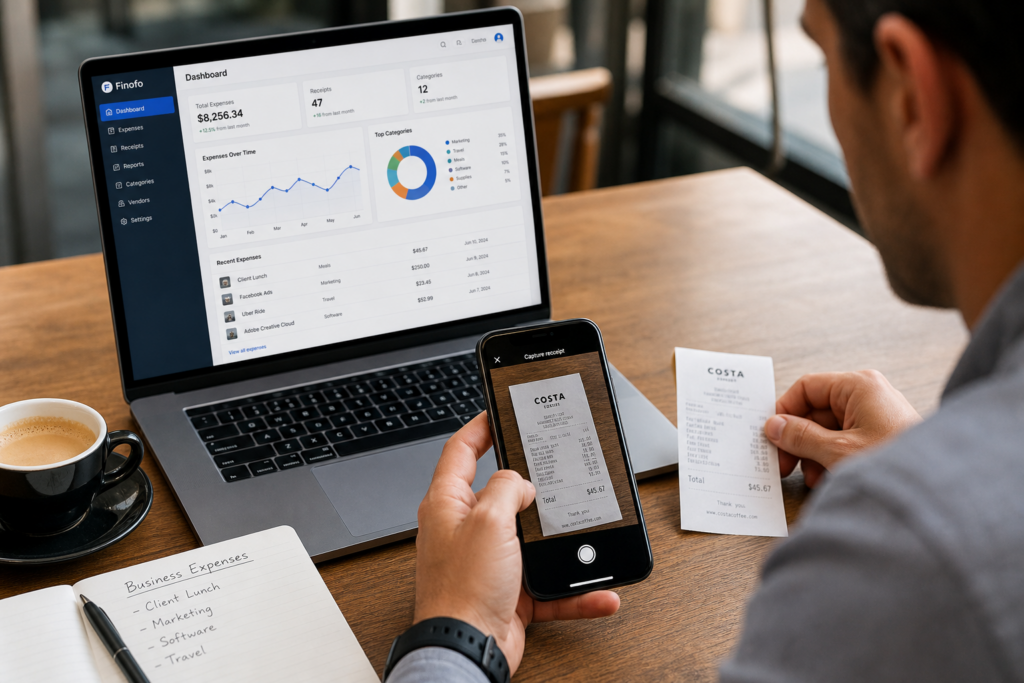
Managing business receipts is more challenging—and more important—than ever. In 2026, the IRS is cracking down on undocumented deductions, and AI-generated fake receipts now drive over 70% of detected expense fraud. This guide compares the best apps for business owners, explains IRS requirements, and offers practical advice to protect your deductions and your business.
Key Takeaways
- Top apps for business owners are Brex, Expensify, QuickBooks, Wave, and Shoeboxed.
- AI-generated fake receipts now make up 70.8% of flagged expense fraud.
- IRS requires detailed receipts for all deducted expenses and now routinely audits digital records.
- Choose an app that integrates with your accounting and offers fraud detection.
- Receipt tracking directly saves you taxes—manual methods mean missed deductions.
Why Receipt Tracking Apps Matter for Business Owners in 2026
Every business deduction requires documentation. Lost, faded, or fake receipts cost business owners thousands in missed deductions and penalties. In 2026, smart audit software—not just IRS humans—reviews digital records. And employee fraud is harder to spot, as AI tools create realistic fake receipts.
What Are the Best Receipt Tracking Apps Available Right Now?
| App | Best For | Starting Price | Key Feature | Rating |
|---|---|---|---|---|
| Brex | Global teams | Free (with card) | AI receipt matching | 4.6/5 (Forbes) |
| Expensify | Mid-size teams | ~$5/user/mo | SmartScan OCR | 4.4/5 |
| QuickBooks | Bookkeeping integration | ~$35/mo | Automated sync | 4.5/5 |
| Wave | Solopreneurs | Free | Simple receipt capture | 4.2/5 |
| Shoeboxed | Paper receipt backlog | ~$15/mo | Mail-in service | 4.1/5 |
- Brex: Best for teams, with AI-powered receipt matching, large-scale integration, and strong fraud controls.
- Expensify: Best for automating receipt capture and approval for growing teams, with robust mobile features.
- QuickBooks: Best for owners needing bookkeeping and tax integration in one solution.
- Wave: Best free receipt app for solo businesses on a budget.
- Shoeboxed: Best if you want to mail in piles of paper receipts and receive digitized, IRS-ready records.
What IRS Documentation Rules Apply to Business Receipts?
The IRS requires that every deducted business expense has a valid receipt showing:
- Amount
- Date
- Vendor name and location
- Business purpose
Digital receipts from mobile/apps are fully accepted if readable and stored securely. According to IRS Publication 463, you should keep all business records for at least 3 years, although 7 years is recommended for full peace of mind.
How Is the Rise of AI-Generated Fake Receipts Changing Expense Management?
As of May 2026, AppZen and Forbes report that AI-generated fake receipts now make up 70.8% of all flagged expense fraud. These receipts often slip through visual review but fail when cross-checked with real card data. That means your app must match receipts to card transactions and use AI to flag arithmetic or metadata errors to defend against fraud both inside your team and during an IRS audit.
How Do You Choose the Right Receipt Tracking App for Your Business?
 Free Tax Write-Off Finder
| Factor | What to Ask | Best Match |
|---|---|---|
| Team Size | Solo or employees? | Wave, Expensify, Brex |
| Accounting Integration | What software do you use? | QuickBooks, Xero |
| Fraud Controls | Do you reimburse employees? | Brex, Expensify |
| Budget | Free vs. paid? | Wave (free), Shoeboxed ($15/mo) |
- For solo owners, Wave or Shoeboxed is best.
- For growing or global teams, use Brex or Expensify.
- Always ensure your app integrates with your accounting and offers real-time fraud detection.
How Can Receipt Tracking Apps Help Maximize Your Tax Deductions?
If you lose receipts, you lose deductions and pay more tax. With the right app, you capture every expense; categorize it automatically; and can quickly produce IRS-ready reports. For example, categorizing a $5,000 business trip or $2,000 equipment buy means $1,000+ in tax savings at common 2026 business tax rates. Consistently scan, categorize, and review receipts every month. The best apps remind you to add business purpose notes—critical for meals/entertainment deductions.

Uncle Kam in Action: Real Business Savings
Case Study: Marcus, owner of a marketing agency, moved to Expensify in 2026 on Uncle Kam’s advice. The result: $41,200 in new documented deductions and ~$9,900 tax savings in the first six months. Expensify’s cross-referencing flagged and prevented further fraudulent reports. See real client results for more ROI examples.
Next Steps
- Pick your app—see the comparison table above.
- Connect to your accounting software.
- Update your expense policy for same-day submission with notes.
- Schedule a tax review with an advisor for 2026 deduction planning.
Current as of June 2026. Always verify with your tax pro or the IRS.
Related Resources
- 2026 Tax Strategies for Business Owners
- Tax Prep Services for Small Businesses
- Business Financial Solutions & Bookkeeping
- IRS Compliance & Tax Guides
- FAQs for Business Tax Topics
Frequently Asked Questions
Are digital receipts accepted by the IRS?
Yes. The IRS accepts digital receipts stored in tracking apps as long as they are readable and complete. Paper originals are not required if the digital copy is clear.
What app works best for a solo business owner?
Wave (free) and Shoeboxed (for mail-in) are the easiest options. If you already have QuickBooks, use its built-in receipt capture.
How do I guard against AI-generated fake receipts?
Use apps that cross-check receipts against bank/card transactions (Brex, Expensify). Lower auto-approval thresholds and periodically review small-dollar expenses for arithmetic errors.
How long must I store my business receipts?
IRS requires at least 3 years (7 years recommended). Cloud receipt apps make indefinite secure storage easy.
Can an app save me money on 2026 taxes?
Yes. More documented deductions = less tax. Many owners recover thousands of dollars in missed write-offs the first year they switch from manual tracking.
Last updated: June 2026

