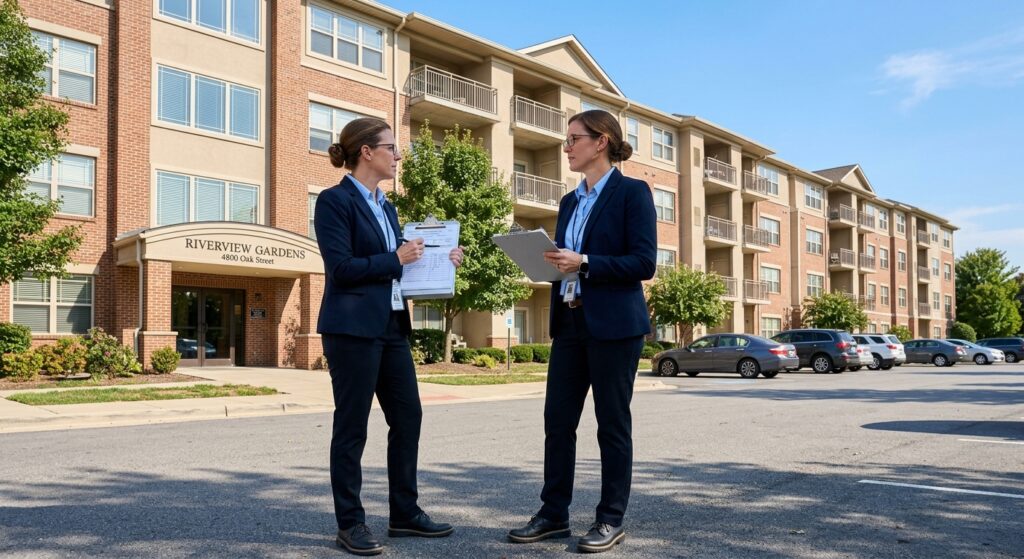
Real Estate Investment Property Appraisal Process 2026
Real Estate Investment Property Appraisal Process: 2026 Guide
The real estate investment property appraisal process is a cornerstone step for every savvy investor. A certified, independent appraisal underpins your tax strategy, unlocks cost segregation, and helps you maximize safe write-offs under new 2026 rules such as 100% bonus depreciation. This guide walks you through 2026 best practices, IRS requirements, appraisal pitfalls, and how a strategic approach can save investors thousands through cost segregation and more.
Key Takeaways
- The IRS requires a qualified appraisal for substantial charitable contributions, estate planning, and cost segregation allocation.
- Appraisers use three main valuation approaches: Sales Comparison, Income Approach (often most important for rental/income properties), and Cost Approach (vital for new builds or cost segregation).
- The OBBBA tax act, signed in 2025, permanently restored 100% bonus depreciation and raised Section 179 expensing, increasing the stakes for efficient appraisal and tax planning.
- Only appraisals prepared by independent, credentialed experts meeting IRS standards will stand up to audit scrutiny.
- A strong appraisal plus cost segregation can accelerate depreciation and materially cut your tax bill in the first year.
What Is the Real Estate Investment Property Appraisal Process?
The formal process involves hiring a licensed or certified appraiser to produce an independent, documented fair market value for your property. This report is accepted by banks, the IRS, and courts, and forms the evidence behind your depreciable basis, 1031 exchange value, estate value, and charitable contribution documentation. A typical appraisal process includes property walkthrough, collecting rent/income/cost data, market analysis, and a written report using at least one of the standard approaches below.
What Are the Three Main Valuation Approaches?
Appraisers select from:
- Sales Comparison Approach: Compares to recent similar property sales and makes adjustments (best for SFR and small multifamily).
- Income Approach: Calculates value based on property income stream and market cap rates (critical for large rentals, commercial assets).
- Cost Approach: Estimates cost to replace the building (minus depreciation), plus land value (crucial for new properties and cost segregation studies).
| Approach | Best For | Tax Use |
|---|---|---|
| Sales Comparison | SFR & small multifamily | Cost basis, FMV |
| Income | Commercial, rental | Depreciation, cost seg |
| Cost Approach | New builds, cost seg | Allocation for bonus depreciation |
What Does the IRS Require for a Qualified Appraisal?
Per Treasury Reg. 1.170A-17, a qualified appraisal must be issued by an appraiser with experience and credentials for the property type, be independent (no related parties/fiduciary interest), and report:
- Full property description and ownership condition
- Date and effective date of valuation
- Statement that it was prepared for federal tax purposes
- Methods and reasoning used
- Appraiser name, contact, TIN, qualifications, signature
- Fee structure not tied to value
For gifts/charitable contributions over $500,000, the entire appraisal report must be submitted with the tax return (Form 8283 for $5,000+), as enforced by the IRS since 2023. Incomplete or incorrect appraisals are the leading cause of denied real estate donation write-offs.
How Does an Appraisal Connect to Cost Segregation?
Cost segregation involves dividing property into components (building shell, land improvements, interior assets) to accelerate deductions. The IRS expects credible component values, usually provided by an appraisal using the Cost Approach. With the OBBBA restoring 100% bonus depreciation and raising Section 179, maximizing and documenting component values is more important than ever — especially for large multifamily, office, industrial, or retail assets where property elements qualify for shorter lives and immediate expensing.
How Does the 2026 Market Affect Investment Property Appraisals?
 Free Tax Write-Off Finder
In 2026, the U.S. real estate market is seeing modest residential appreciation (+1% to 2.2% YoY across major sources), and a divergence in commercial: data centers/industrial are hot, while some multifamily faces oversupply pressure. Appraisal values should use current cap rates, sales comps, and NOI assumptions from 2026 market data. For major renovations/capital improvements, update your appraisal for accurate basis and cost segregation.
| Asset Type | 2026 Market Trend | Investor Note |
|---|---|---|
| Residential | +1% to +2.2% | Refresh appraisals before refinance, exchange, or donation |
| Multifamily | Softened rent growth | Document current rents/NOI |
| Industrial/Logistics | Cap rate compression | Highlight income approach in appraisal |
| Data Centers | Top investor demand | Use specialist appraisers |
What Common Mistakes Hurt Investors During the Appraisal Process?
- Hiring residential or unqualified appraisers for commercial/investment properties
- Using outdated appraisals (older than one year or before renovations)
- Failing to provide full income/expense/lease data to the appraiser
- Accepting ‘drive-by’ appraisals or county assessments (not IRS qualified)
- Missing key IRS-required statements and disclosures
How Does the OBBBA Change Your Appraisal Strategy for 2026?
The OBBBA Act, effective July 2025, permanently restored 100% bonus depreciation for qualifying property placed in service after January 19, 2025, and Section 179 expensing up to $2.5M. Your 2026 appraisal, and the resulting cost segregation, should pursue maximum short-life component breakdown so you can claim immediate deductions rather than slow depreciation. Coordination between appraiser, cost seg engineer, and tax advisor is essential for compliance and maximized tax savings under these rules.

Uncle Kam in Action: Investor Story
Maria’s Case: Maria owned an $1.8M commercial strip center. Our advisors coordinated a new 2026 qualified appraisal, detailed cost segregation study, and mapped out an OBBBA-driven bonus depreciation strategy, resulting in $550,000 additional first-year deduction and $176,000 in tax savings—over 20x ROI for appraisal/tax fees. See more success stories.
Related Resources
- Real Estate Investor Tax Services
- Tax Minimization Strategies
- Real Estate Tax Calculators
- IRS Form 8283 Guide
- Appraisal Institute Credential Search
Next Steps
- List your properties lacking recent appraisals (1 year or more old)
- Request an IRS-qualified, component-level appraisal – ask for appraiser’s designation
- Engage both a cost segregation engineer and qualified appraiser if property cost is $500,000 or more
- Coordinate review with your CPA or advisor familiar with OBBBA/Section 179
- Book a meeting with Uncle Kam advisors
Frequently Asked Questions
How long does an investment property appraisal take?
Residential and small multifamily: 1–3 weeks. Complex commercial: 3–6 weeks. Rush service may be available for an extra fee.
Is my lender’s appraisal IRS-qualified?
Not always. It must meet the content, purpose, and preparation standards. Formal, separate appraisals are safest for charitable and tax reporting.
How much does a qualified appraisal cost in 2026?
SFR/small multi: $600–$1,250. Multifamily/commercial: $2,000–$7,500+. Geographic area, property type, and credentials affect pricing.
What happens if my appraisal is rejected by the IRS?
Your deductions (cost seg, donation, estate) can be denied, and you may owe back tax plus penalties up to 40%. Get appraisals right the first time!
Does the OBBBA affect my 2026 cost segregation?
Yes. 100% bonus depreciation is fully restored. Accurate appraisal-based cost segregation will drive maximum allowable first-year deductions for post-Jan 19, 2025 property acquisitions or improvements.
Last updated: March 2026

