



How LLC Owners Save on Taxes in 2026

S-Corp vs LLC Tax Savings Calculator for in

How Much Can an S-Corp Save You in

Free S-Corp Tax Savings Calculator for in

For business owners for your business, choosing between an LLC and an S-Corp is one of the most critical financial decisions you can make. This calculator quantifies the potential tax savings.

Are you an LLC owner for your business paying too much in self-employment taxes? An S-Corp election could save you thousands. Use our tool to see your potential savings.

The S-Corp election is a powerful tax strategy for profitable businesses for your business. Discover your estimated tax savings based on your income and salary.

Key Factors

The Self-Employment Tax Burden for LLC Owners for your business

Understanding the Default LLC Tax Structure in

Why Your LLC Might Be Costing You Thousands in  

By default, a single-member LLC is taxed as a sole proprietorship. This means all profits are subject to the 15.3% self-employment tax, in addition to federal and $state income taxes. For profitable businesses for your business, this can result in a substantial and often unnecessary tax burden.

While an LLC provides liability protection, its default tax treatment offers no advantages over being a sole proprietor. Every dollar of profit flows to your personal return and gets hit with self-employment taxes. This structure becomes inefficient as your in business grows.

How an S-Corp Election Creates Tax Savings for your business

The Power of Reasonable Salary and Distributions for in Businesses

Your Path to Tax Efficiency as a in Business Owner

By electing S-Corp status, you can pay yourself a `reasonable salary` and take the remaining profits as distributions. Only the salary is subject to self-employment taxes; the distributions are not. This is the key to unlocking significant tax savings for your business for your business.

This calculator helps you model this exact scenario. You can input your total profit and a potential `reasonable salary` to see a direct comparison of your tax liability as a standard LLC versus an S-Corp. The difference is often thousands of dollars in savings for in entrepreneurs.

A Note on State Taxes

While the federal self-employment tax savings are significant, it”s also crucial to consider in s specific corporate and personal income tax laws, which can influence your overall savings.

How it works

Illustration of a person entering 'Sale Details' into a calculator, with input fields for 'Sale Proceeds' and 'Cost Basis'.
Number 1 icon.

Enter Your Business Income

Input your annual net business income and basic details. We’ll use 2026 tax assumptions to model both entity structures.

Number 2 icon.

Adjust Payroll & Salary Assumptions

If applicable, set a reasonable salary scenario to see how payroll taxes impact an S-Corp compared to self-employment tax under an LLC.
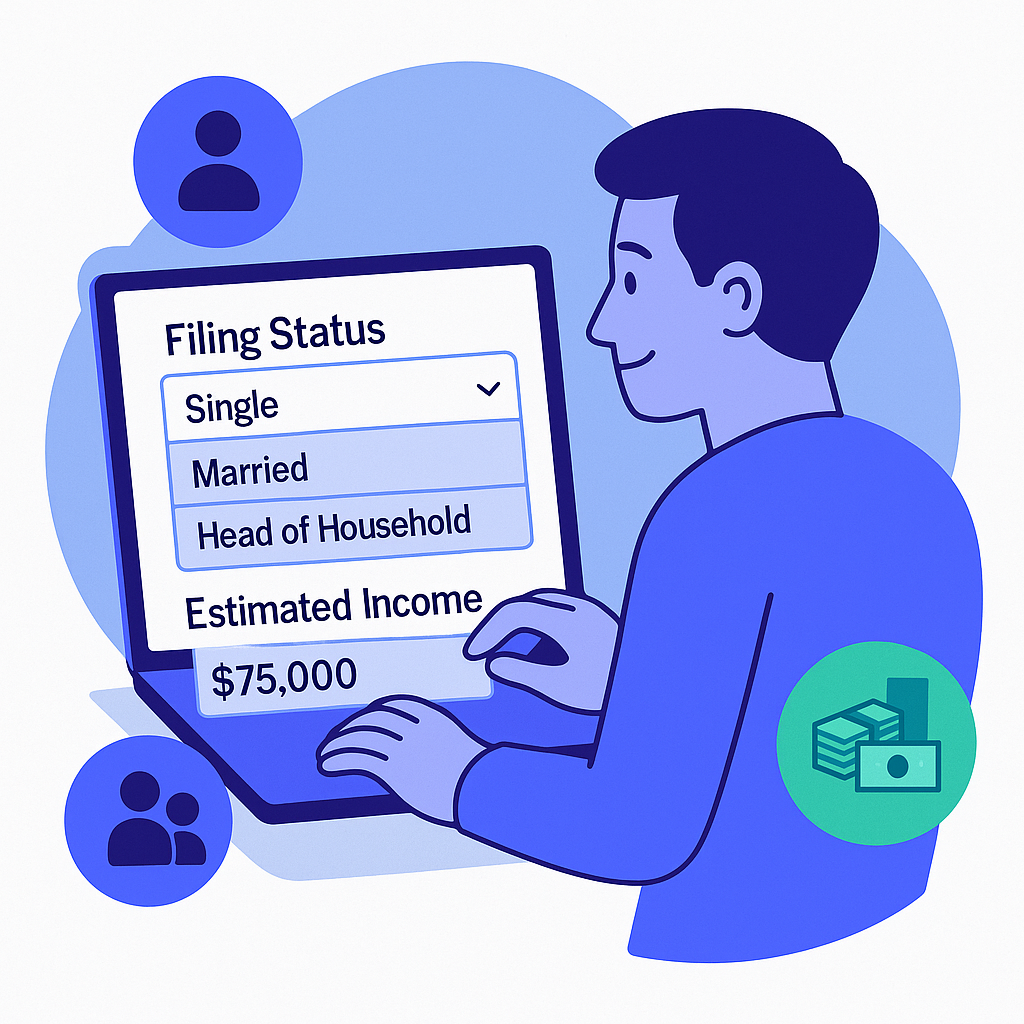
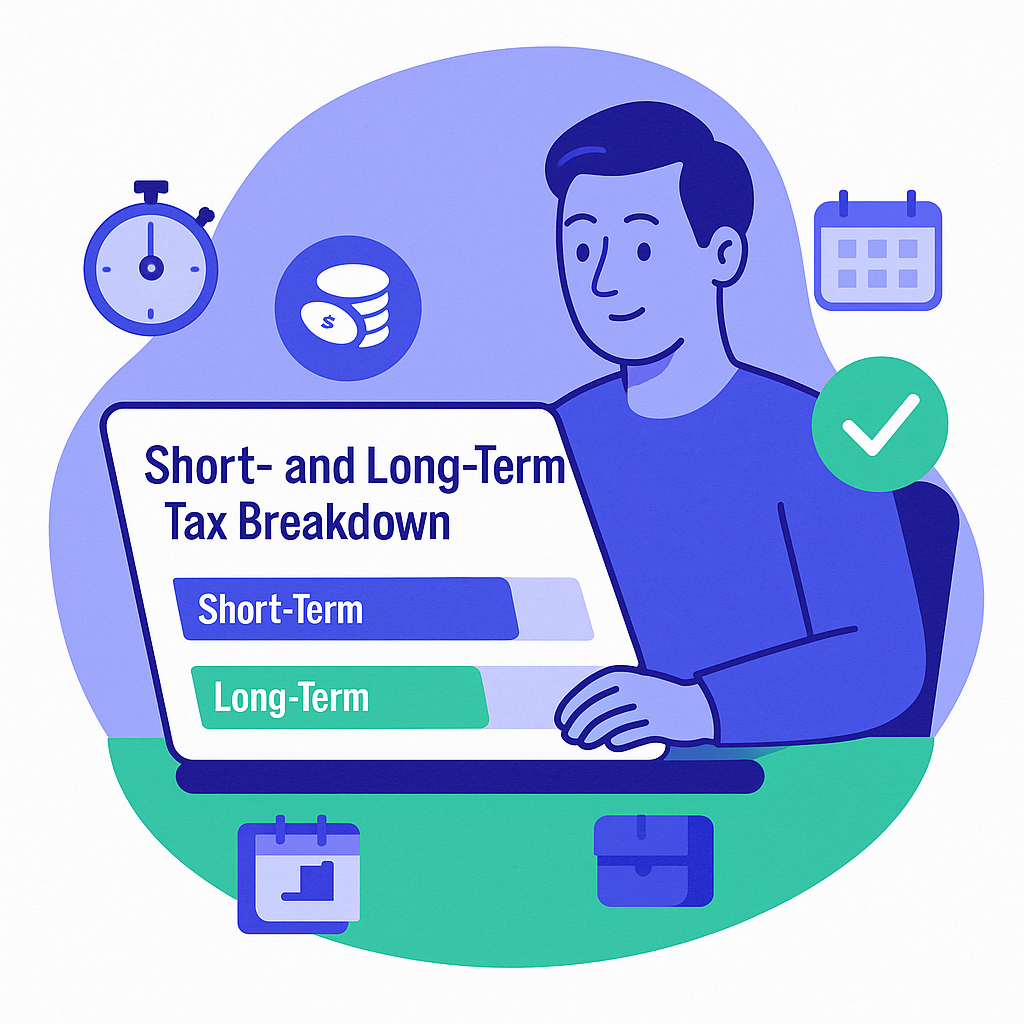
Illustration of a person entering their tax information. The screen shows a dropdown for 'Filing Status' and an 'Estimated Income' of $75,000.
Illustration of a person at a laptop reviewing a 'Short- and Long-Term Tax Breakdown', with options for both Short-Term and Long-Term gains.
Number 3 icon.

Compare Your Estimate Tax Income

View a side-by-side comparison showing:Estimated LLC tax burdenEstimated S-Corp tax burdenPotential annual savings (if any)

Need Professional Tax Help?

Connect with Uncle Kam’s expert tax professionals for personalized tax strategies and planning.

Review your results with a tax professional to confirm whether an S-Corp is the right move for your business. If the numbers show potential savings, the next step is validating them with an expert. A personalized review can help confirm whether these estimates apply to your specific situation.

Frequently Asked Questions

A reasonable salary is what other businesses in in Charlotte tax advisor would pay someone to do your job. It depends on your industry, experience, and the complexity of your role. A CPA can help you determine a defensible figure.

Yes. An S-Corp is a tax election, not a business entity. Your LLC remains an LLC for legal purposes, but you file a form with the IRS to have it taxed as an S-Corp.

Yes, to be effective for the current tax year, the election must generally be made by March 15th. Elections can be made at any time for future years.

Yes, S-Corps have stricter administrative requirements, including the need to run payroll for your salary and file a separate business tax return. The tax savings must outweigh these additional costs.

While there”s no magic number, many CPAs in in Charlotte tax advisor suggest considering an S-Corp when your net profit is consistently above $40,000-$50,000 per year, as the tax savings often begin to outweigh the administrative costs at that level.

Book a Free Strategy Call and Meet Your Match.

Professional, Licensed, and Vetted MERNA™ Certified Tax Strategists Who Will Save You Money.