
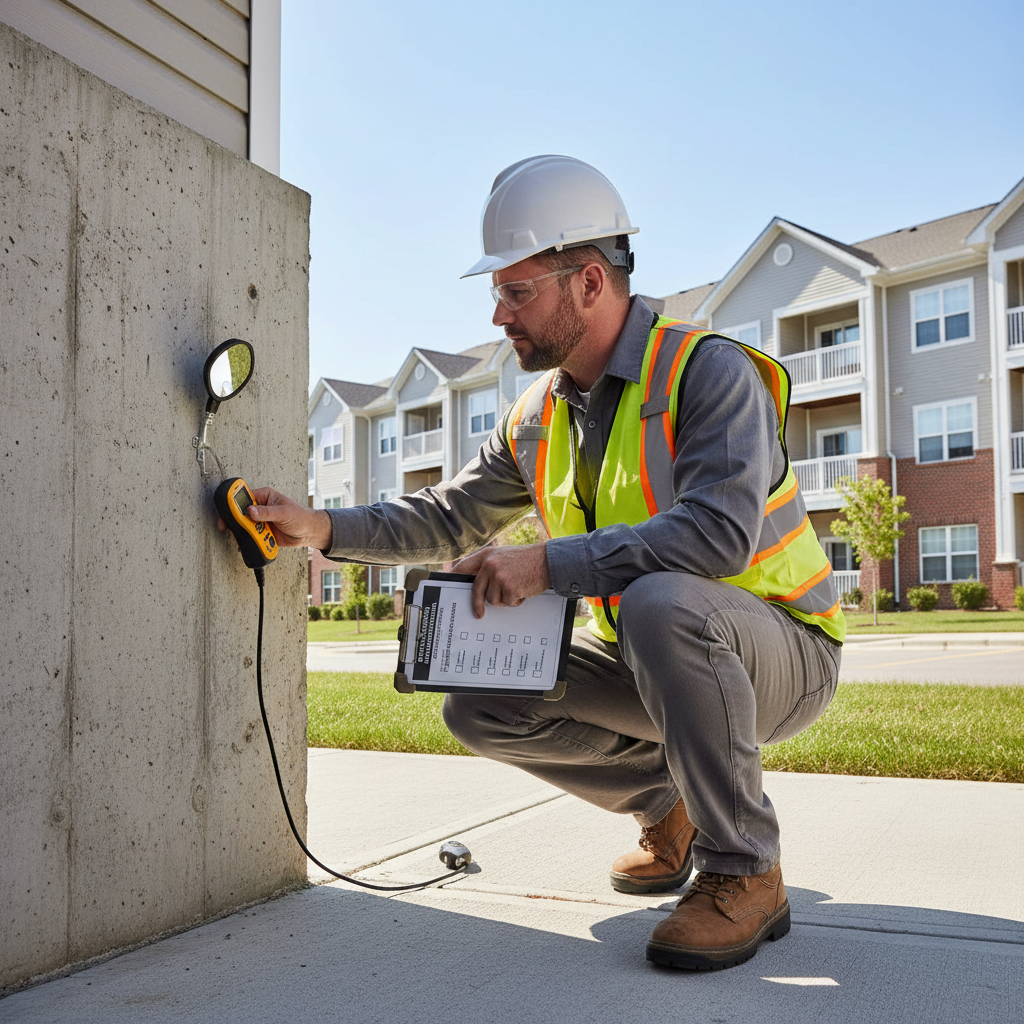
Real Estate Investment Property Inspection Checklist 2026
For the 2026 tax year, a comprehensive real estate investment property inspection checklist is essential for investors navigating new regulatory changes. Recent NEPA rollbacks and expanded depreciation rules under the One Big Beautiful Bill Act have transformed how investors evaluate properties. This guide provides step-by-step inspection strategies that protect your investment while maximizing 2026 tax benefits.
Table of Contents
- Key Takeaways
- What Are the Essential Property Inspection Categories?
- How Do 2026 NEPA Changes Affect Property Inspections?
- What Structural Issues Should Investors Prioritize?
- How Can Environmental Hazards Impact Investment Value?
- What Are the 2026 Tax Implications of Property Condition?
- How Do Zoning and Code Compliance Affect Inspections?
- Uncle Kam in Action: Multifamily Investment Success
- Next Steps
- Frequently Asked Questions
- Related Resources
Key Takeaways
- NEPA rollbacks finalized February 2026 expedite approval timelines for large property projects
- IRS Notice 2026-16 allows up to 100% depreciation deductions for qualified property
- Comprehensive inspections prevent costly post-purchase surprises and protect tax deductions
- California’s proposed AB 1611 restricts 1031 exchanges for corporate investors
- Environmental compliance directly impacts property value and regulatory approval speed

What Are the Essential Property Inspection Categories?
Quick Answer: A thorough real estate investment property inspection checklist must cover five critical areas: structural integrity, environmental compliance, mechanical systems, legal/zoning compliance, and financial documentation. Each category protects investors from hidden liabilities and maximizes 2026 tax advantages.
Real estate investors in 2026 face an evolving regulatory landscape that makes comprehensive property inspections more important than ever. The Interior Department’s February 2026 finalization of NEPA scope reductions has streamlined environmental review processes, consequently affecting how properties are evaluated for development potential. However, this doesn’t eliminate the need for thorough due diligence.
A complete real estate investment property inspection checklist ensures you identify issues before closing. Furthermore, proper documentation supports critical tax strategy decisions that can save thousands annually. Therefore, investors should treat inspections as strategic planning opportunities, not just compliance exercises.
The Five Pillars of Property Inspection
Every investment property inspection should systematically address these five fundamental categories:
- Structural Assessment: Foundation, framing, roof, exterior walls, and load-bearing elements
- Environmental Compliance: Lead paint, asbestos, mold, radon, soil contamination, and wetlands issues
- Mechanical Systems: HVAC, plumbing, electrical, water heaters, and major appliances
- Legal/Zoning Compliance: Permits, certificates of occupancy, zoning restrictions, and easements
- Financial Documentation: Property tax records, utility bills, insurance claims history, and rental income verification
Why 2026 Inspections Differ From Previous Years
Two significant regulatory changes impact how real estate investors approach property inspections in 2026. First, the NEPA rollback means projects requiring federal permits now face shortened review timelines. Consequently, investors must conduct more thorough pre-purchase environmental assessments to avoid delays.
Second, IRS Notice 2026-16 introduces substantial depreciation benefits for qualified production property. This creates new opportunities for investors targeting properties with manufacturing, agricultural, or refining potential. Therefore, inspection checklists should now include assessments of production capability and compliance with qualified property standards.
Pro Tip: Schedule inspections early in the due diligence period. This gives you leverage to negotiate repairs or price reductions before closing. Moreover, early inspection results inform your tax planning strategy for the acquisition year.
Creating Your Customized Inspection Checklist
While comprehensive checklists cover universal concerns, customize yours based on property type. Single-family rentals require different focus areas than multifamily complexes or commercial buildings. Additionally, regional factors such as climate, local regulations, and environmental risks should shape your checklist priorities.

